
The €2 Scam: Why Tiny Payments Can Cost You Much More
Learn how small payment scams work, why they are so convincing, and how Safegram's verification helps build trust in online transactions.
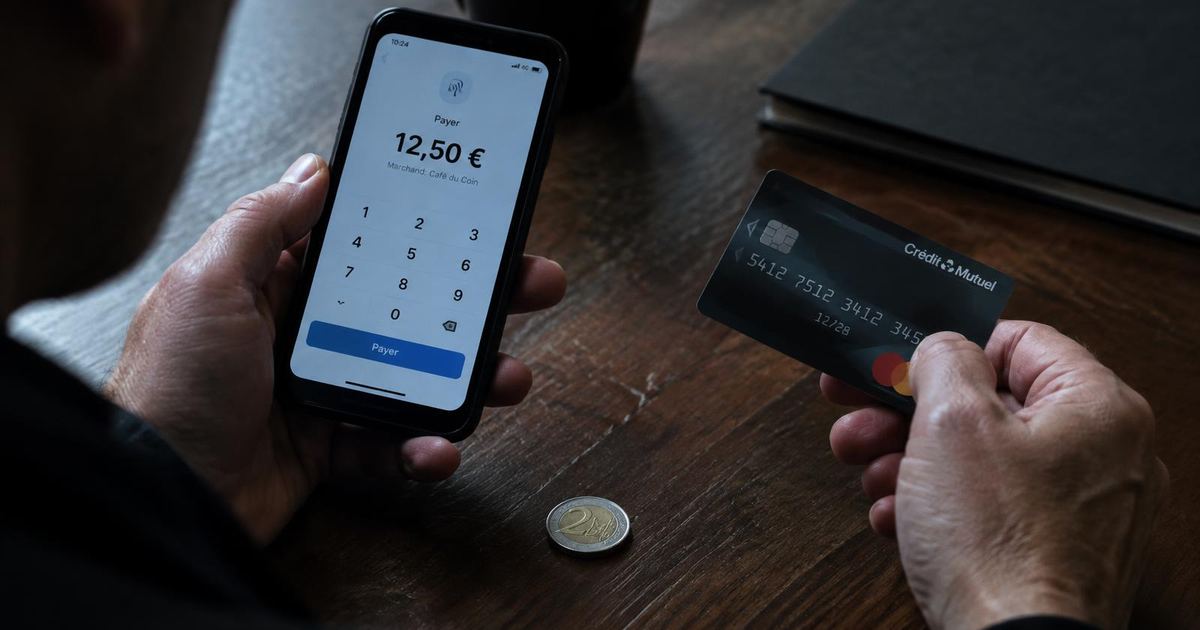
A request for only €2 or €3 can feel harmless. That is exactly why it works. Recent Irish warnings show scammers impersonating trusted brands, offering free gifts and asking for a token postage payment — a small transaction that can expose card details and lead to much bigger losses.
Key takeaways
- The CCPC warned on 16 September 2026 about scams impersonating Dublin Zoo, including fake free-gift offers asking for €2–€3 postage.
- A small requested payment does not make an offer safe. The real target can be your card details or other personal information.
- Logos, polished websites, social posts and familiar branding can all be copied.
- Do not pay through a social-media ad. Independently find the organisation’s official website or app and verify the offer there.
- If you paid through a suspected scam, contact your bank or payment provider immediately and report suspected fraud to An Garda Síochána.
The cheapest scam can be the most convincing
The price is part of the trick.
A demand for €500 naturally triggers suspicion. A request for €2.50 to cover postage for a free gift can feel too small to justify stopping, searching and checking. That gap between the amount requested and the risk involved is useful to scammers.
On 16 September 2026, Ireland’s Competition and Consumer Protection Commission warned about online scams impersonating Dublin Zoo. According to the CCPC, fake social-media posts and fraudulent links used Dublin Zoo-style branding and, in some cases, offered free gifts or back-to-school packs while asking people to pay €2–€3 postage.
The lesson is broader than any one organisation: a low price is not evidence that a link is legitimate.
What a €2–€3 payment can really expose
When a scam page asks for a small card payment, the amount on screen is only one part of the risk. Entering card information into a fraudulent checkout can hand useful payment credentials to criminals. A fake form may also collect your name, address, phone number or email, creating material for further phishing or impersonation attempts.
The CCPC’s advice is to contact your bank or payment provider immediately if you think you have paid through a scam link. Depending on the circumstances, the provider may be able to freeze a card or account and may discuss whether a chargeback is available.
The Commission also warns that scammers routinely create convincing clones of trusted websites. A logo, an About page or professional imagery is not proof of authenticity.
Why this works so well on social media
Social feeds compress trust decisions into seconds. A recognisable name, a polished image, comments that appear enthusiastic and a countdown-style offer can make a promotion feel socially validated before a user has checked where the link actually goes.
The CCPC’s recent guidance is simple: stop, search and stay safe. It advises consumers not to click directly through social-media ads when authenticity is in doubt, and to find the genuine retailer or organisation independently.
That extra search matters because a cloned page can look almost identical to the real thing while using a different domain or payment route.
A 60-second check before you pay
-
Stop. Ignore the countdown, limited-stock message or claim that you must act immediately.
-
Search independently. Open a new browser window and find the organisation’s official site yourself rather than using the advert’s link.
-
Check the offer at source. If the genuine organisation is giving something away, look for confirmation on its official channels.
-
Inspect the seller. Look for real contact information, established history and independent reviews. Do not rely only on testimonials displayed by the seller.
-
Question unusual payment requests. A supposedly free item that suddenly needs a small card payment deserves verification.
-
Protect your credentials. Do not enter card details, passwords or identity documents merely because a page looks professional.
-
If something feels wrong, leave. Missing a genuine €3 offer is cheaper than handing a scammer access to your financial information.
The bigger issue: online trust is becoming an infrastructure problem
Consumers cannot realistically become forensic investigators every time they scroll. Education matters, but safer digital systems also need better signals about who is behind an account, advertisement, business or transaction.
That does not mean verification eliminates fraud. A verified identity is not a guarantee that a person will behave honestly, and platforms still need reporting, moderation, payment controls and enforcement. But reducing uncertainty about who is participating can make deception harder and accountability clearer.
This is increasingly relevant as AI makes convincing imagery, copy, voice and video cheaper to produce. The old shortcut — “it looks professional, so it must be real” — is becoming less reliable.
Where safegram fits — and what is actually live
Safegram’s direction is built around reducing anonymous trust gaps rather than asking users to trust appearance alone.
LIVE: Safegram is available on iOS and Android. Verification for users, creators and businesses, social profiles, and the Safegram Exchange marketplace are part of the live product. Businesses and creators must be verified before adding products or services to Exchange.
DEVELOPING / BETA: Safegram is continuing to develop marketplace, booking, discovery and AI-assisted experiences. Individual flows may evolve as testing continues.
PLANNED / EXPANDING: Additional safety automation, family protections, trust signals and commerce tooling are part of Safegram’s broader roadmap. They should not be interpreted as universally deployed features until Safegram marks them live.
Verification should be understood correctly: it can establish more confidence about who is behind an account, but it cannot promise that every listing, statement or transaction is risk-free. Users should still evaluate offers, use appropriate payment protections and report suspicious behaviour.
What to do if you already paid
Act quickly rather than waiting to see whether the item arrives.
Contact your bank or card provider and explain that you may have entered payment details on a fraudulent site. Ask what immediate security action they recommend. Stop engaging with the sender. Preserve screenshots, the web address, receipts, messages and transaction details. Report suspected fraud to your local Garda station. Misleading commercial practices can also be reported to the CCPC.
Be alert for follow-up contact. Once scammers know an email address or phone number is active, they may try another story — including fake refund, bank-security or delivery messages.
The takeaway
The smartest scam is not always the one asking for the most money. Sometimes it asks for an amount so small that you skip the checks you would normally make.
In an internet where brands, websites, voices and images can be copied cheaply, trust needs more than appearance. Before paying — even €2 — verify the source independently.
Frequently asked questions
Is a €2 or €3 payment request automatically a scam?
No. Small legitimate charges exist. The warning sign is an unexpected or unusually generous offer that uses a small payment to push you into entering card details. Verify the offer independently before paying.
What did the CCPC warn about in September 2026?
On 16 September 2026, the CCPC warned about online scams impersonating Dublin Zoo through social-media posts and fraudulent links. Some fake offers asked for €2–€3 postage for purported free gifts or back-to-school packs.
Can a scam website copy a real company’s logo?
Yes. The CCPC explicitly warns that logos, imagery and About pages can be fabricated. Visual polish is not proof that a site belongs to the organisation it claims to represent.
Should I click an advert to check whether an offer is real?
A safer approach is to avoid the advert link and independently navigate to the organisation’s official website or app.
What should I do if I entered my card details?
Contact your bank or card provider immediately. They can advise on freezing or replacing the card and whether any disputed transaction may qualify for a chargeback.
Where should I report an online scam in Ireland?
Suspected fraud should be reported to An Garda Síochána. Consumers can also report misleading websites or commercial practices to the CCPC.
Does verification guarantee a Safegram transaction is safe?
No. Verification can reduce uncertainty about account identity, but it does not guarantee behaviour, product quality or transaction outcome. Users should still assess listings and use appropriate payment safeguards.
Is Safegram’s Exchange live?
Yes. Safegram Exchange is part of the live product. Safegram continues to develop and expand commerce, booking and safety functionality, so individual capabilities should be treated according to their current live, beta or planned status.
Source references
-
Competition and Consumer Protection Commission, “CCPC warns of online scams impersonating Dublin Zoo”, 16 September 2026.
-
Competition and Consumer Protection Commission, “Scrolling Smart: Check Before You Click”, 17 March 2026.
-
Competition and Consumer Protection Commission, “How to spot a scam”, 23 April 2026.
-
Competition and Consumer Protection Commission, “Fake online shops — what to watch out for”, consumer guidance, accessed 29 September 2026.
-
Competition and Consumer Protection Commission, “CCPC warns of scams and unexpected charges as new customs rules are introduced”, 25 June 2026.
More from Safegram
Try Safegram
Privacy-first social and a verified marketplace, built in Dublin.